05 Space — NASA, For Real
Live Telemetry — Right Now
Space station position loading…
Aurora reading loading…
Earthquake feed loading…
NASA's missions, the International Space Station tracked live, and the deep black above us.
Watch the Earth — LIVE from the ISS
Real Earth, from orbit, right now — NASA's official live stream from the International Space Station. The station circles the Earth every 90 minutes, 250 miles up, at 17,500 mph.
Live stream: NASA. The feed goes dark on the night side of Earth — that's real, that's orbit.
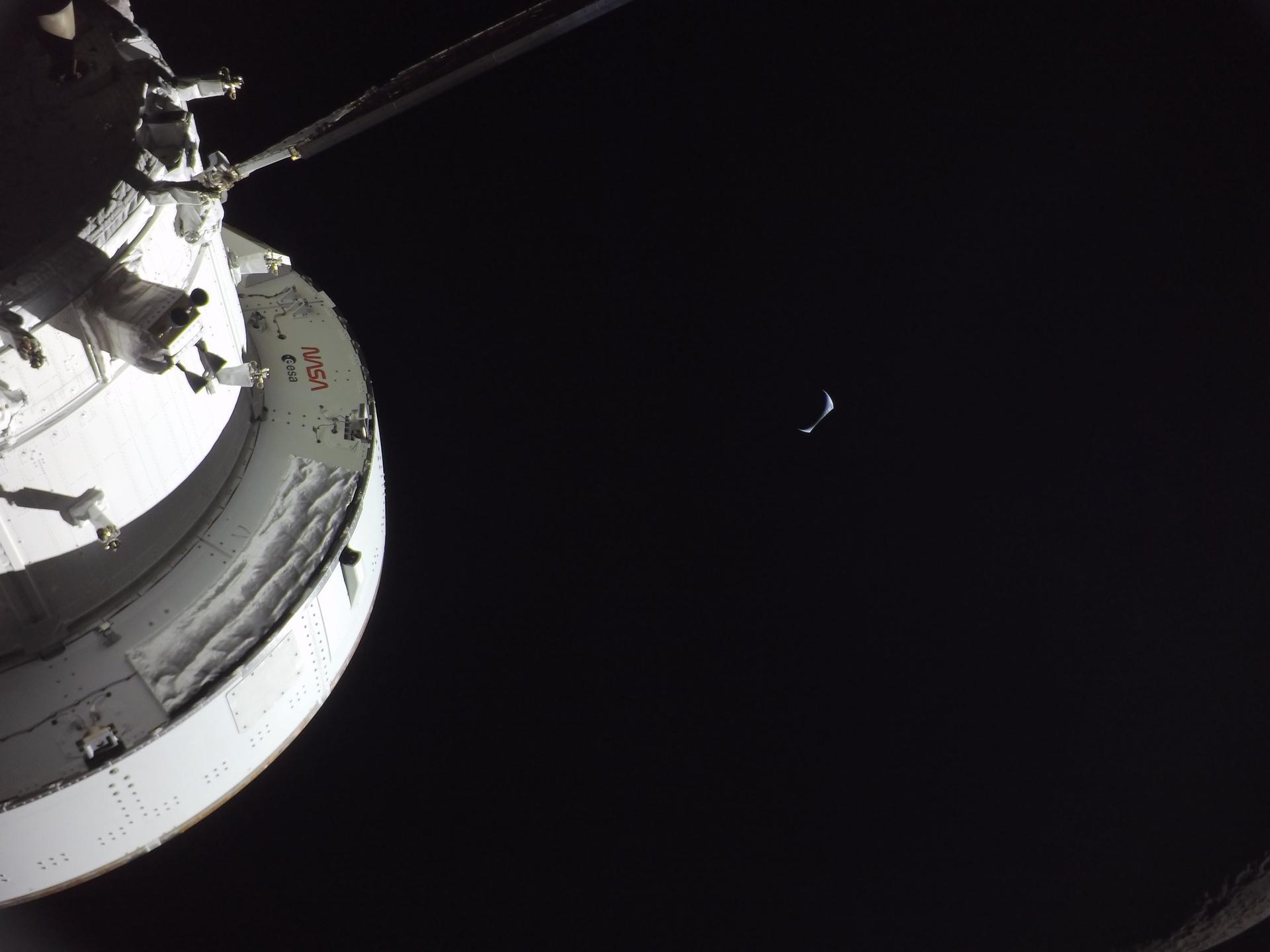
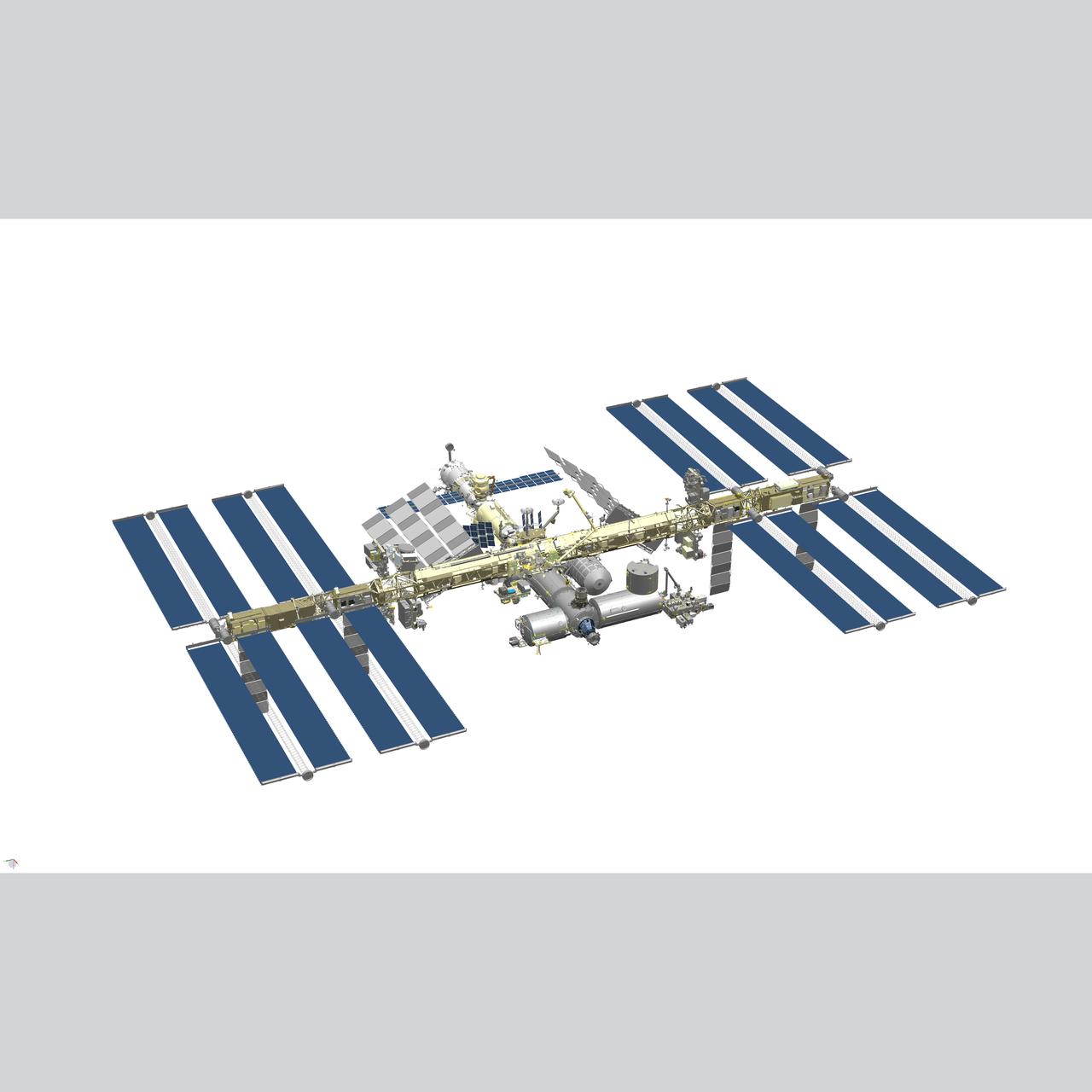
Where Is the ISS Right Now?
Live position, refreshed every few seconds from the real tracking feed.
Tracking the station…
The dot is the station, right now, over a real map of Earth.
NASA Missions
Artemis — returning astronauts to the Moon, then on to Mars.
ISS — a home in orbit since 2000, crewed without a break for over 25 years.
James Webb Telescope — seeing the first light of the universe, 1.5 million km out.
Mars Rovers — Perseverance and Curiosity driving on another planet, right now.
Hubble — over 35 years of deep-space pictures.
Count down to liftoff — the whole room shakes.
The Solar-System Tour — All Eight Planets
Mercury — the fastest planet, 88 days around the Sun.
Venus — the hottest, 465°C, under clouds of acid.
Earth — the only home we know.
Mars — the red planet, home of the rovers, and the next stop.
Jupiter — the giant, 1,300 Earths inside, with a storm bigger than Earth.
Saturn — the rings, 280,000 km wide, made of ice.
Uranus — tipped on its side, rolling around the Sun.
Neptune — the windiest, storms at 2,100 km/h.
The Astronauts — The People Who Flew
Apollo 11 — Neil Armstrong, Buzz Aldrin, Michael Collins — July 20, 1969, the first Moon landing.
Artemis II — Wiseman, Glover, Koch, Hansen — April 2026, first crew to the Moon since Apollo 17.
The ISS crew — seven astronauts live and work in orbit right now — US, Russia, Europe, Japan, Canada.
Living in Space
Sleep strapped to the wall, recycled water, two hours of exercise a day, sixteen sunrises.
Sixteen sunrises a day. Your morning would never be the same.
Deep-space signal: listening…
Step inside space
The silence, the stars, the Earth below. Step in and float.
Photo: NASA, public domain.
The moment: Earth, blue and quiet, turning below you in the dark.
ISS Virtual Tour — Inside & Outside
The station: a home in orbit since 2000, the size of a football field, circling Earth every 90 minutes.
The Cupola: seven windows looking down at Earth — the best seat in the house.
Crew & Science Timeline
Artemis II — Back to the Moon
April 1, 2026 — Pad 39B. Wiseman, Glover, Koch, Hansen aboard SLS and Orion — around the Moon and back, the first crew since Apollo 17. Splashdown April 10, off San Diego.
The six-million-pound crawler carried the rocket four miles to the pad at one mile an hour.
Artemis I flew first — a night launch on November 16, 2022.
Looking Back at Earth
April 2026: four astronauts photographed the whole Earth — no human had done that since 1972.
From the ISS, 400 km up: blue oceans, white clouds, the curve of the whole world below.
The 60-Minute Journey — 10 Stops, Real Footage
Stop 1 of 10 — Earth and the ISS, home. Tap to begin.
Zero-G Lab & Catch the Astronaut
Up here nothing stays put. Tap an object and watch it float.
Tap a wrench, an apple, a camera — they drift away in zero gravity.
Catch floating astronauts: +5 FanPoints each. Ten catches earns the Astronaut Catcher badge.
Tour of the Moon in 4K & TRAPPIST-1
The Moon, up close: craters, seas of lava, and the places people walked.
TRAPPIST-1: seven Earth-size planets around a red dwarf star, 40 light-years away. Tap a planet.
Space Radio — NASA & the Cosmos
Mission Control, the ISS overhead, the missions, the stars.
Now: Mission Control — standing by.
Space TV
The ISS tour, the Moon in 4K, Artemis, and the planets — watch them below.
Space TV: the ISS tour is on.
Mission Control — Run the Mission
Pick a mission. It plays out on the real, live ISS position.
No mission running. The station is overhead right now — pick one.
The Training Room
Train like an astronaut. Short, real, and it counts.
Pick a drill. First time through each one earns FanPoints.
🚀 Live Launches
Loading the launch schedule…
🎮 Attraction Games — Space Coast
From the Attraction Games shelf: the launch-day game of the Space & Orbit collection. It lives here at the Space Coast and on the Portal collections shelf.
🛰️ Space News — Live
Loading space news…
☄️ Meteor Showers — 2026
Loading the meteor calendar…
🌙 What's Overhead Tonight
The space station's live position, the Moon tonight, and the next shower — for right now, wherever you are.
Loading what's overhead…
🛰️ Satellites — Live Positions & Earth Imagery
Real satellites, tracked live. The ISS position comes from WhereTheISSAt every few seconds; the others are computed in your browser from CelesTrak's public orbital data. The imagery below is NOAA's — satellite pictures on their real publishing cadence, not live video.
Satellite positions loading…
Above your horizon right now
Earth from NOAA's GOES satellites — the newest published frames


Imagery: NOAA/NESDIS, public. It updates when NOAA publishes — minutes, not seconds — and every panel shows its real frame time. This is satellite imagery riding beside the cams; the live video is always the cameras themselves.
📡 Deep Space Network — Live
Reaching NASA's live deep-space feed…
🌍 The Planet Right Now
Gathering the world's real events…
✦ Space — Watch Together
Watch parties, picks, and quad view — the same treatment every world gets.
🧭 One Door Over: The Frontier
The far edge of the Earth itself — Antarctica's stations, a vent a mile under the Pacific, Midway's albatrosses, Everest at 5,600 m — lives in The Frontier Experience, verified live and honestly labeled, with the Space-Deeper Mastercam at Maunakea's StarCam.